



Artificial Intelligence: Transforming the Future
Artificial Intelligence (AI) is one of the most revolutionary technologies of the 21st century. It refers to the ability of machines and computer systems to perform tasks that normally require human intelligence, such as learning, reasoning, problem-solving, decision-making, and understanding language. Modern AI systems learn from large amounts of data, identify patterns, and generate predictions or responses, making them valuable across many industries.
AI has become an integral part of our daily lives. Virtual assistants like Siri and Google Assistant, recommendation systems on Netflix and YouTube, online shopping suggestions, spam filters, navigation apps, and chatbots all rely on AI. In healthcare, AI helps doctors diagnose diseases and discover new medicines. In finance, it detects fraudulent transactions and improves customer service. Manufacturing industries use AI-powered robots to increase productivity, while educational platforms provide personalized learning experiences for students.
The advantages of AI are significant. It automates repetitive tasks, increases efficiency, reduces human error, and enables faster decision-making. AI can analyze vast amounts of data in seconds, helping businesses and researchers solve complex problems. It has also accelerated scientific discoveries, including the identification of promising new materials for advanced technologies.
Despite its benefits, AI also presents several challenges. Concerns include job displacement due to automation, data privacy, algorithmic bias, misinformation, and ethical issues surrounding the responsible use of AI. Experts emphasize that AI should complement human abilities rather than replace human judgment, especially in areas requiring empathy, ethics, and accountability. Responsible AI development requires transparency, fairness, and appropriate human oversight.
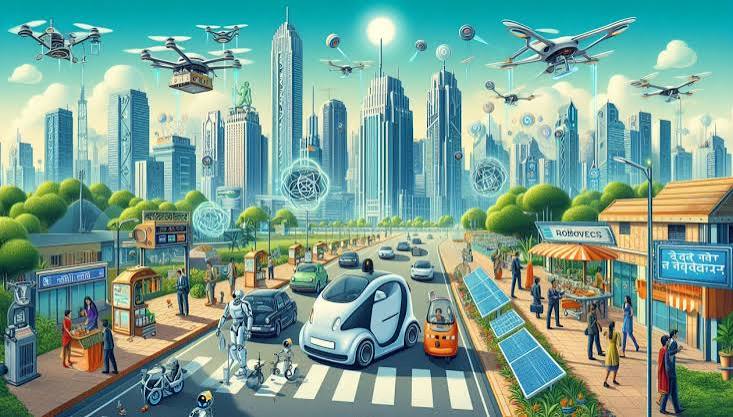
The future of AI is full of opportunities. As technology advances, AI is expected to play an even greater role in healthcare, education, transportation, environmental protection, scientific research, and business innovation. However, its success will depend not only on technological progress but also on how responsibly society develops and uses it.
In conclusion, Artificial Intelligence is transforming the way we live and work. When developed and applied responsibly, AI has the potential to improve lives, solve global challenges, and drive economic growth. The key to a better future lies in ensuring that AI remains a powerful tool that enhances human capabilities while respecting ethical values and human well-being.